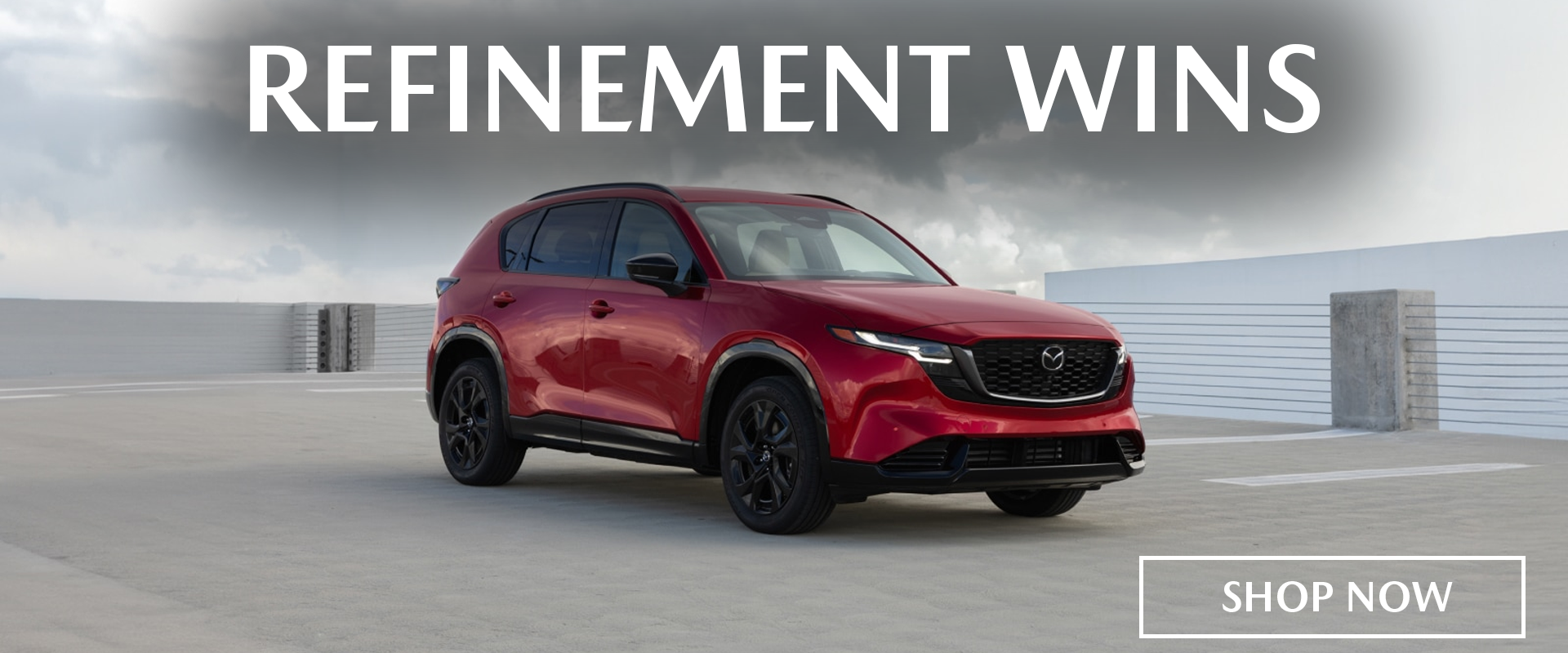
Which Compact SUV Comes Out on Top? When it comes to deciding between the Mazda CX-5 and Toyota RAV4, the choice isn't easy, as both compact SUVs offer unique strengths. Each excels in areas like driving dynamics, interior comfort, and advanced safety features, making them top contenders in their class. This guide from Preston Mazda provides an in-depth comparison of these popular models. Whether you're prioritizing fuel efficiency, cargo space, or cutting-edge technology, both the Mazda CX-5 and Toyota RAV4 deliver impressive performance. Visit Preston Mazda to take the winning SUV for a test drive today. Performance and Driving Dynamics Engine Power and Efficiency The Mazda CX-5 is equipped with a 2.5L four-cylinder engine that produces 187 horsepower and 186 lb.-ft. of torque. This standard engine offers smooth acceleration and responsive handling, making it a favorite among drivers who value engaging driving dynamics. For those seeking more power, higher trim levels of the Mazda CX-5 provide a turbo engine option with up to 256 horsepower, delivering an exhilarating driving experience that is rare in the compact SUV segment. On the other hand, the Toyota RAV4 features a 2.5L engine with 203 horsepower and an eight-speed automatic transmission. The extra horsepower in the Toyota RAV4 provides a slight edge in straight-line performance, but the Mazda CX-5’s refined handling and steering feedback set it apart in real-world driving conditions. While both SUVs shine in terms of power output and efficiency, the Mazda CX-5 leans towards a more dynamic driving experience, prioritizing stability control and precise steering. The Toyota RAV4, on the other hand, focuses on delivering practicality and fuel savings, particularly with its hybrid variants. The choice between the two ultimately depends on whether you prefer spirited driving or long-term fuel efficiency. Towing Capacity and Weight Ratings The Mazda CX-5's towing capacity is well-suited to most drivers, offering up to 2,000 lbs. This is more than sufficient for hauling small trailers, bikes, or other light loads. Additionally, its curb weight and overall weight rating contribute to its nimble handling, even when towing. The Toyota RAV4, particularly in the Toyota RAV4 Adventure and other higher trims, is designed for heavier loads, with a towing capacity of up to 3,500 lbs. when properly equipped. This makes it a more appealing choice for those who need to tow larger trailers or gear for outdoor adventures. However, the increased weight rating of the Toyota RAV4 comes at the expense of some driving dynamics, especially when compared to the sportier feel of the Mazda CX-5. For buyers who prioritize towing or outdoor activities, the Toyota RAV4 Adventure trim offers specific features like an upgraded suspension and stabilizer bar to handle heavier loads. However, if towing is a secondary concern, the Mazda CX-5 offers a balanced mix of capability and driving enjoyment that many will find more appealing. Interior Space and Comfort Both the Mazda CX-5 and Toyota RAV4 are designed to seat up to five passengers, making them ideal for small families or those who frequently travel with friends. The Mazda CX-5 stands out for its premium interior, featuring soft-touch materials, leather-trimmed seats in higher trims, and excellent sound deadening that minimizes road noise. The front seats are supportive and comfortable, offering plenty of legroom and hip room for long drives. The Toyota RAV4 also offers a spacious cabin with generous passenger space, however, the Toyota RAV4’s interior feels more utilitarian compared to the Mazda CX-5’s upscale design. While it offers a practical layout, it lacks the same level of refinement and luxury found in the Mazda CX-5. In terms of interior amenities, both SUVs offer optional moonroofs, heated seats, and dual-zone climate control to enhance passenger comfort. However, the Mazda CX-5 takes it a step further with features such as ventilated front seats and a heads-up display, offering a more sophisticated experience for drivers and passengers alike. Technology and Connectivity Features Infotainment System and Smartphone Integration The Mazda CX-5 stands out for a more refined, intuitive technology experience. Its available 12.9-in. touchscreen delivers crisp graphics, responsive controls, and seamless smartphone integration through standard Apple CarPlay® and Android Auto™. Multiple USB ports and an available wireless phone charger enhance everyday convenience, while the overall interface feels polished and premium. The Toyota RAV4 offers solid connectivity with a standard 10.5-in. touchscreen and Apple CarPlay® and Android Auto™ integration, along with available upgrades such as a 12.9-in. display, a 12.3-in. digital gauge cluster, and a JBL® Premium Audio system. Features such as USB-C ports, an available Qi wireless charger, and over-the-air updates add modern appeal. However, the Toyota RAV4’s interface leans more toward functionality than sophistication, and some of its more advanced features require stepping up in trim levels. While both SUVs offer the essential tech drivers expect, the Mazda CX-5 delivers a more elevated, cohesive user experience. For those who value seamless connectivity paired with upscale design, the Mazda CX-5 takes the lead. Comfort and Premium Amenities Both the Mazda CX-5 and the Toyota RAV4 offer impressive comfort, but the Mazda CX-5 clearly leans further into upscale refinement. With available leather-trimmed seating, a thoughtfully driver-focused layout, and elevated interior materials, the Mazda CX-5 creates an atmosphere that feels closer to a luxury SUV than a typical compact crossover. Higher trims add heated and ventilated front seats, a heated steering wheel, and a premium Bose® audio system that enhances every drive. The Toyota RAV4 delivers practical comfort, especially in upper trims like the Toyota RAV4 Limited, with features like as dual-zone automatic climate control, a power-adjustable driver’s seat, and an available panoramic glass roof. Heated and ventilated seats are also available, and the cabin layout is clean and user-friendly. However, the Toyota RAV4 prioritizes durability and functionality, with materials and finishes that emphasize everyday utility rather than premium craftsmanship like Mazda brings to the table. For drivers who want comfort paired with sophistication, the Mazda CX-5 stands out. It surrounds you with a refined, elevated experience that makes daily commuting and long road trips feel distinctly more rewarding. Safety Features and Assistance Both the Mazda CX-5 and the Toyota RAV4 prioritize safety, but the Mazda CX-5 offers a more advanced, comprehensive approach to driver confidence. Equipped with Mazda’s intuitive i-Activsense® suite, the Mazda CX-5 comes standard with features such as Blind Spot Monitoring, Rear Cross Traffic Alert, Lane Keep Assist, Lane Departure Warning, Mazda Radar Cruise Control with Stop & Go, and High Beam Control. The Mazda CX-5 raises the bar even further by making advanced technologies standard, including Rear Automatic Emergency Braking, Rear Cross Traffic Braking, Forward Turn-Across Traffic Braking, Emergency Lane Keeping, Blind Spot Assist, and Traffic Sign Recognition. Available enhancements, such as Cruising and Traffic Support with Lane Change Assist and a 360° View Monitor, provide an added layer of awareness and control that elevate everyday driving. The Toyota RAV4 comes standard with Toyota Safety Sense™ 4.0, offering a Pre-Collision System with Pedestrian Detection, Full-Speed Dynamic Radar Cruise Control, and Lane Departure Alert with Steering Assist. While dependable and well-suited for daily driving, its approach focuses more on foundational driver assistance. Drivers who prioritize cutting-edge safety and a polished, reassuring driving experience will find the Mazda CX-5 delivers exceptional value, blending modern protection with elevated refinement in a way that feels both progressive and premium. Why Choose the Mazda CX-5? The Mazda CX-5 stands out in the compact SUV segment with its refined performance, upscale interior, and advanced safety technology. Blending engaging driving dynamics with premium features and strong overall value, the Mazda CX-5 delivers a well-rounded experience without sacrificing everyday practicality. Whether you're drawn to its quiet cabin, advanced driver assistance features, or versatile cargo area, the Mazda CX-5 offers something for everyone. Schedule a test drive at Preston Mazda to experience firsthand why the Mazda CX-5 continues to be a standout choice among compact SUVs, delivering a perfect balance of style, comfort, and performance. SHOP Mazda CX-5 Models

Mazda CX-5 Safety Features: The Newest Tech
Next-Gen Protection in the Mazda CX-5 If you are shopping for a compact SUV, one of the first questions is simple: what safety systems does it include, and how much do they actually help on the road? For buyers comparing Mazda CX-5 safety features, the real value comes from understanding how these systems support crash avoidance, driver awareness, and occupant protection in everyday driving. The Mazda CX-5 uses Mazda’s intuitive i-Activsense® suite to group many of its active safety and driver-assist features. This guide explains what is standard, what may be available, and how key systems work across trim levels and model years. Schedule a test drive at Preston Mazda to learn more about the safety features available for the Mazda CX-5. Why Safety Technology Matters in the Mazda CX-5 Safety in the Mazda CX-5 is not just about airbags and crash structure. It also includes front crash prevention tools, lane support, parking assistance, and systems designed to improve driver confidence before a collision ever happens. That is where active safety, passive safety, and driver-assist features differ. Active safety helps avoid trouble, passive safety focuses on crash protection once impact happens, and driver-assist features reduce workload, though equipment can vary by trim, package, and model year. What This Guide Covers Recent Mazda CX-5 models often blend standard safety with more advanced available safety technology. That matters because many shoppers judge value by how much standard equipment they get without moving to a higher trim. Core Standard Safety Features On many recent models, Mazda highlights Blind Spot Monitoring, Rear Cross Traffic Alert, Lane Keep Assist, Lane Departure Warning System, High Beam Control, a backup camera, and Mazda Radar Cruise Control with Stop & Go. Dynamic Stability Control and the Traction Control System also play major roles, helping the SUV maintain grip and composure. For many drivers, this standard equipment is a major advantage. It covers the basics of daily use without forcing an upgrade just to get common driver-assist features. Awareness and Visibility Systems Blind Spot Monitoring helps during lane changes by watching areas you may not see in the mirrors. Rear Cross Traffic Alert is especially useful when reversing out of crowded parking spaces with limited visibility. High Beam Control can improve low-light visibility without requiring you to constantly adjust the lights. Some model years and trims may also offer the Adaptive Front-Lighting System, which helps illuminate curves more effectively at night. Lane and Speed Assistance Lane Departure Warning System alerts you if the vehicle begins to drift unintentionally. Lane Keep Assist adds mild steering support to help guide the Mazda CX-5 back toward the center of the lane. Mazda Radar Cruise Control with Stop & Go helps maintain a safer following distance in traffic. It also reduces fatigue during long drives and stop-and-go commuting. Advanced Crash-Avoidance Features The most important advanced systems are those that can actively intervene to reduce crash severity or help prevent a collision. These features assist the driver, but they do not replace attention, judgment, or safe speed choices. Think of them as a backup layer in city traffic, at intersections, or while backing out of a driveway. Their job is to react faster in situations where a delay could matter. Front and Intersection Protection Smart Brake Support works like Forward Collision Warning plus Automatic Emergency Braking. If the system detects a likely frontal hazard, it can warn the driver and, in some cases, apply the brakes. Forward Turn-Across Traffic Braking addresses intersection safety during left turns across oncoming traffic. This is one of the more practical newer features because intersection conflicts are common and often happen quickly. Rear Collision Support Rear Automatic Emergency Braking can help when backing toward an obstacle you did not notice in time. That added intervention is useful in tight garages, alleys, and crowded lots. Rear Cross Traffic Braking builds on Rear Cross Traffic Alert by doing more than just issuing a warning. It adds braking support when cross traffic is detected while reversing. How the Mazda CX-5 Helps You Stay in Your Lane Lane-related safety technology often appears in Mazda CX-5 research because it affects daily highway use. These systems range from simple alerts to steering correction and more urgent intervention in higher-risk moments. For long commutes, that progression matters. Warning systems help catch inattention early, while more active systems can support the driver if drifting becomes more serious. Warning Versus Intervention Lane Departure Warning System notifies you when the vehicle starts leaving its lane without a signal. Lane Keep Assist goes further by providing steering input to reduce unintentional drifting. Emergency Lane Keeping is a stronger intervention designed for situations where lane departure could create immediate danger. Blind Spot Assist can also help by adding steering support when a lane change could place the Mazda CX-5 into another vehicle’s path. Driver Convenience Features That Also Improve Safety Some comfort-focused tools also improve safety by lowering workload and sharpening awareness. They are not autonomous systems, but they can make crowded driving less stressful and more controlled. This is especially true in urban traffic and dense parking areas. Less strain on the driver often means better attention to hazards. Traffic and Parking Support Cruising and Traffic Support can help manage low-speed traffic flow with steering and speed assistance, and Lane Change Assist may be available on certain versions. These features are most helpful in heavy commuting, where constant adjustments wear drivers out. A 360° View Monitor makes parking easier by showing the area around the vehicle. It helps spot curbs, posts, and nearby objects that might be missed with mirrors alone. Sign and Speed Awareness Traffic Sign Recognition can display detected road signs to help drivers stay informed. Mazda Radar Cruise Control with Speed Limit Assist can complement that by adjusting speed behavior more thoughtfully where the feature is equipped. Crash Safety and Ratings to Check Features matter, but outcomes matter more. Before buying, review the safety ratings and crash-test performance from IIHS and NHTSA for the exact Mazda CX-5 you are considering. This step is important because awards can change by model year, trim level, or even headlight configuration. A Top Safety Pick Plus result on one version does not automatically apply to every configuration. What Ratings Actually Tell You Crash ratings measure more than one thing. They can reflect structure, restraint performance, crash protection, and front crash prevention capability. That means a strong score usually comes from a mix of solid engineering and effective safety technology. Always verify results through Mazda USA, IIHS, and NHTSA sources for the specific vehicle. Common Mistakes When Evaluating Mazda CX-5 Safety One common mistake is assuming every advertised feature is included on every trim. Another is forgetting that sensors and cameras can be affected by rain, snow, dirt, glare, or blocked lenses. Safety systems also work best when drivers understand their limits. Key Takeaways for Shoppers The Mazda CX-5 stands out by combining a strong list of standard driver-assist features with more advanced available systems on select trims. What matters most is knowing how each feature works in real traffic, not just recognizing the name on a brochure. Compare trim levels carefully and check IIHS and NHTSA data for your exact vehicle. That approach gives you a clearer picture of how the Mazda CX-5 supports crash avoidance, occupant protection, and everyday driver awareness. FAQs What safety features does the Mazda CX-5 have? The Mazda CX-5 commonly includes Blind Spot Monitoring, Rear Cross Traffic Alert, Lane Keep Assist, Lane Departure Warning System, Smart Brake Support, and Mazda Radar Cruise Control. Exact equipment depends on trim level, package, and model year. Is the Mazda CX-5 safe in a crash? The Mazda CX-5 has a strong reputation for safety, with solid crash protection and many crash-avoidance features. Still, check IIHS and NHTSA results for the exact model year and configuration you plan to buy. SHOP Mazda CX-5 Models